Photo by Gül Işık on Pexels.com
Photo by Gül Işık on Pexels.com
What It's Like to Be 'That Girl in the Hijab'
Ever since seventh grade, I have always been known as “that girl in the hijab.” I’m 17 now, and on a good day, I become an ambassador for Islam, subject to answering the many, many questions people have. On a bad day, I’m the symbol of oppression, everything that westerners despise, a clear contrast to the supposed freedom we’re granted in the west. Or else I’m a target for those with bigoted views that love to taunt us:
“You’re the bomb, get it?”
“Oh, you poor thing.”
“Dirty terrorist.”
The hijab is a simple piece of cloth. Yet the world has woven many complexities through its threads.
I was surrounded by powerful women who wore the hijab, the most notable being my mother. Despite being a direct target of microaggressions because she was a Black Muslim woman, my mother commanded a room. She drew the respect of those who stood against her and showed a kinder, gentler side to the ones she loved. She was quick to correct a wrong and always told me to never, ever let my hagg (honor) be taken away from me. I remember an instance when my sister was called a racial slur by a construction worker while we were driving. My mother turned the car around and demanded to speak to his manager and wouldn’t leave until the issue was resolved. I knew I wanted to be just like her.
When I was in elementary school I decided to wear the hijab. I went to a school in Alberta, Canada that had an Arabic program; it was majority Muslim, so there wasn’t much of a ruckus. But I was never consistent with it. I took it off one day, kept it on the other, never really caring about it. My mom and dad never told me to wear it, but I think they were amused by their daughters’ antics, especially when my sister took her hijab off after gym and started fanning herself with it.
I wear the hijab because it has become intertwined with who I am. It shows that I am a Muslim, and I’m proud of it.
In seventh grade, I decided to start wearing the hijab for real. When I look back at those photos, I cringe—only because absolutely no one could call their fashion sense back then acceptable. I wore the hijab because I wanted to get closer to my deen (religion) and have something in common with my sisters. We were like a hijabi trio, the hijabi Power Puffs, one more thing that could link us all together.
In high school, I continued to wear the hijab, because I saw it as a form of protest against western standards, where short skirts were the norm and being ranked the prettiest was the best thing that could happen to a girl. It was a protest against the idea that a girl had to show a little skin in order to rise to the top. I’m not anti-feminist; I believe in women's rights. But if one woman has the right to uncover, why can’t I have the right to cover?
I wear the hijab because it has become intertwined with who I am. It shows that I am a Muslim, and I’m proud of it. It also creates an understanding between me and other hijabis. I can see another hijabi in the middle of nowhere and we’d still have a special connection. We know that we have each other’s backs and wish peace unto each other. It’s a special bond that can’t be explained but is deeply cherished.
There are lots of Muslims in my community, so deciding to wear a hijab was pretty easy. But that’s not the case for everyone. When my cousin started wearing one in her white-majority school, she faced many instances of racism and Islamophobia. When my friend started wearing it in junior high, her friends kept telling her she looked prettier without it and that “she should take it off.” There are women who get attacked for wearing one, spit on and even stalked, simply because of a piece of fabric.
In certain parts of Canada, I am not allowed to become a teacher, simply because I wear a hijab. In France, wearing a hijab or abaya to school is illegal; there was even an instance where a girl’s teacher forced her to take off her skirt because it was “too long” and therefore “too religious.” In Belgium, there is a hijab ban. In Britain, I can get laid off for wearing one. These are all considered lands where freedom is upheld, but apparently that only applies to those who fit the mold.
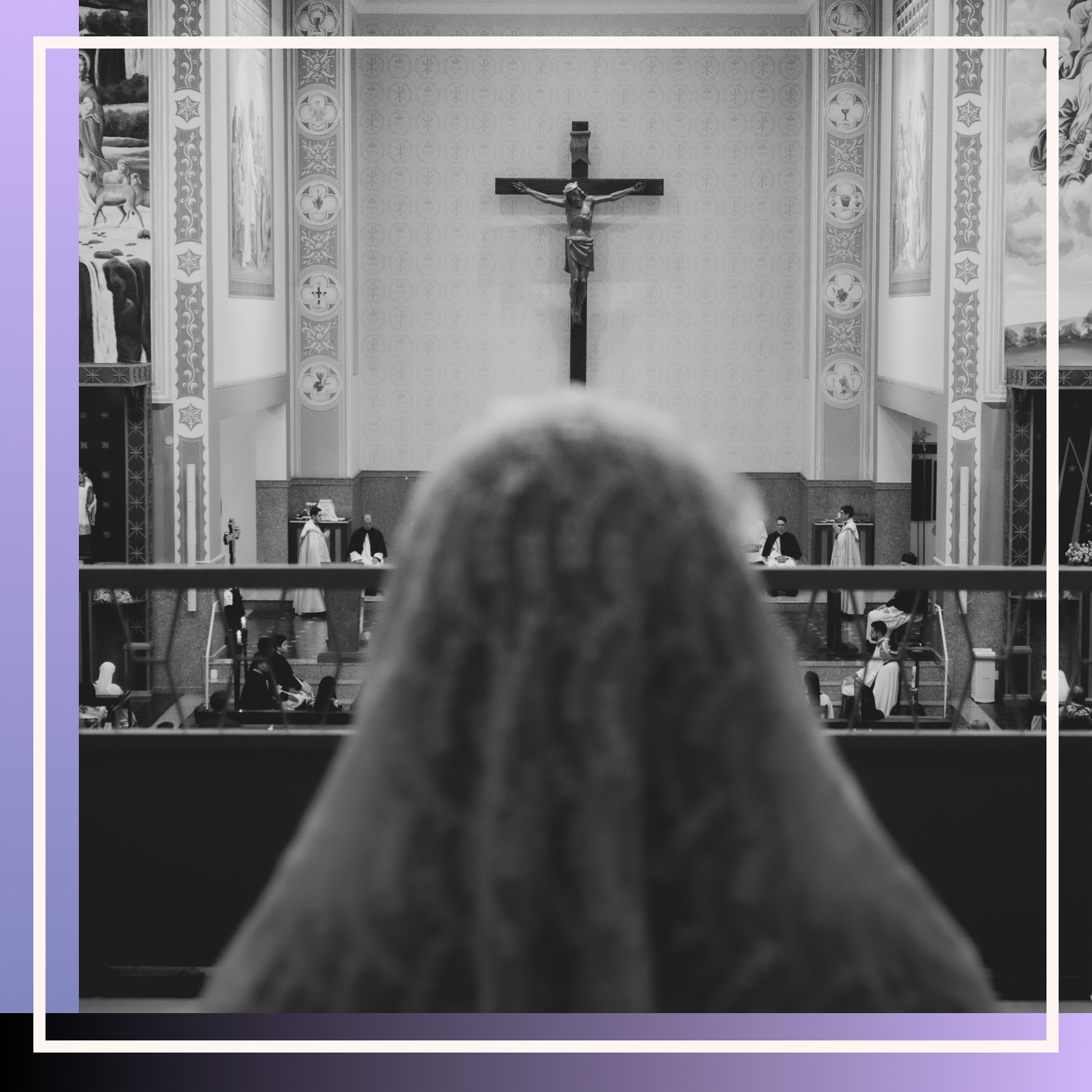
Think about how western society views nuns. These are women who cover their hair and aren’t allowed to get married; who are devout, pious, who please their God and who are accepted by society. They’re seen as symbols of devotion, but when many people from the west see a hijabi, they think of oppression. They think of a terrorist. They think of a poor, misguided immigrant. Hijabis can see themselves, thank you very much. We see beautiful, courageous women who proudly showcase their faith, despite the burden society places on them.